
Good Morning.
Another week, another winning streak. It starts small: you woke up, you found both socks, you got your coffee right on the first pour. Three for three.
Keep that pace and by Friday you’ll be undefeated in a dozen categories, none of which will ever make it onto your performance review. But a streak’s a streak. We don’t make the rules.
ChatGPT Ads gets serious about conversions, and AI Mode is hiding in your Search Console

The biggest AI ad platform is also the one people use the most. Convenient, that.
Mark your calendar: ChatGPT Ads just rolled out conversion-optimized CPC campaigns in beta, plus dynamic URL parameters and Triple Whale, Hightouch, and Sonar integrations.
The urgent bit: Automatic Advanced Matching is now default on new pixels, and switches on for existing ones August 17 unless you opt out first.
Brazil and Mexico get access this week, and multi-product carousels are in testing.
And the audience is already there: ChatGPT is the preferred AI tool for 33.7% of U.S. adults who used generative AI in the past month. Gemini sits second at 18.2%.
But Gemini gained 6.8 points since February, the biggest jump of any brand. ChatGPT slipped 5.9.
So spend where the users are, but keep one eye on Gemini.
Google’s writing your product copy now: it’s testing AI-generated descriptions on Shopping ads, confirmed as a small experiment.
Similar tests hit sponsored text ads last month and product descriptions in June. Feels like a pattern…
Finally, say yes to weird data: those one-word queries cluttering Search Console like “yes,” and “yes, pricing” are AI Mode follow-ups.
Google logs each as a brand-new query, complete with impressions and clicks. So stop writing them off as noise.
YouTube adds image ads, misreads human video, and opens UK affiliate links
Three updates, one platform, and one algorithm that can’t tell craft from slop.
Landscape mode just got busier: YouTube is testing static image ads that overlay horizontal mobile playback without pausing the video.
Early sightings put them at roughly every three minutes. More frequent than standard video breaks. Google hasn’t confirmed whether it’s a limited test.
The upside for you: a premium placement that needs no video creative.
Detection is doing double duty: YouTube’s automatic AI detection isn’t new. It’s been labelling undisclosed AI content since May, with an appeal option in Studio.
But a separate slop-suppression system flagged Kurzgesagt’s very human video, and its reach collapsed.
Labels were explicitly promised not to affect recommendations. Suppression isn’t a label, and there’s no button to contest it.
So if a partner’s organic reach tanks with no explanation, add this to the suspect list.
Finally, something uncomplicated: the YouTube Shopping affiliate program is live in the UK at 500 subscribers.
Creators can now tag Wayfair, Currys, Debenhams, Boots, M&S, and Etsy products across videos, Shorts, and live streams.
More placements, more partners, more ways to get throttled by mistake. YouTube’s giving with both hands and taking with the algorithm.
Your best guess is about to go live. Test it with your audience in 30 minutes.
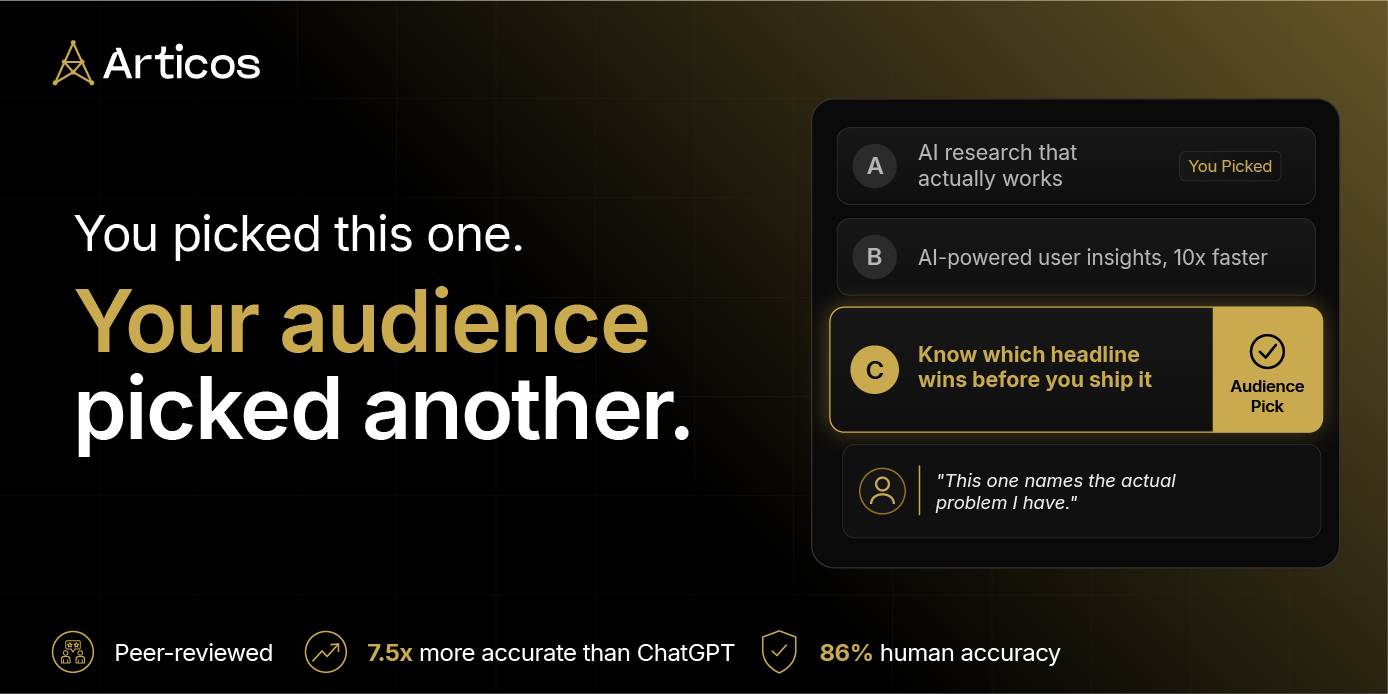
Three headlines. Three ad concepts. Three landing page variants. You pick your best guess. It goes live. The other two never get shown to real buyers.
Every marketing team does this weekly. In a Slack thread. In a workshop. On gut, on ChatGPT, or on whoever spoke loudest. Real audience research doesn’t fit the sprint. User interviews take 4-8 weeks. Panel platforms cost $20K a year.
So most decisions ship without evidence.
Articos is the missing test. Drop three variants into a synthetic audience modeled on your ICP.
Get a structured report in 30 minutes on which one your audience picks, and why. The methodology is peer-reviewed, 86% as accurate as human research, and 7.5× more accurate than generic AI.
Your ROAS looks great because you’re buying customers you already had
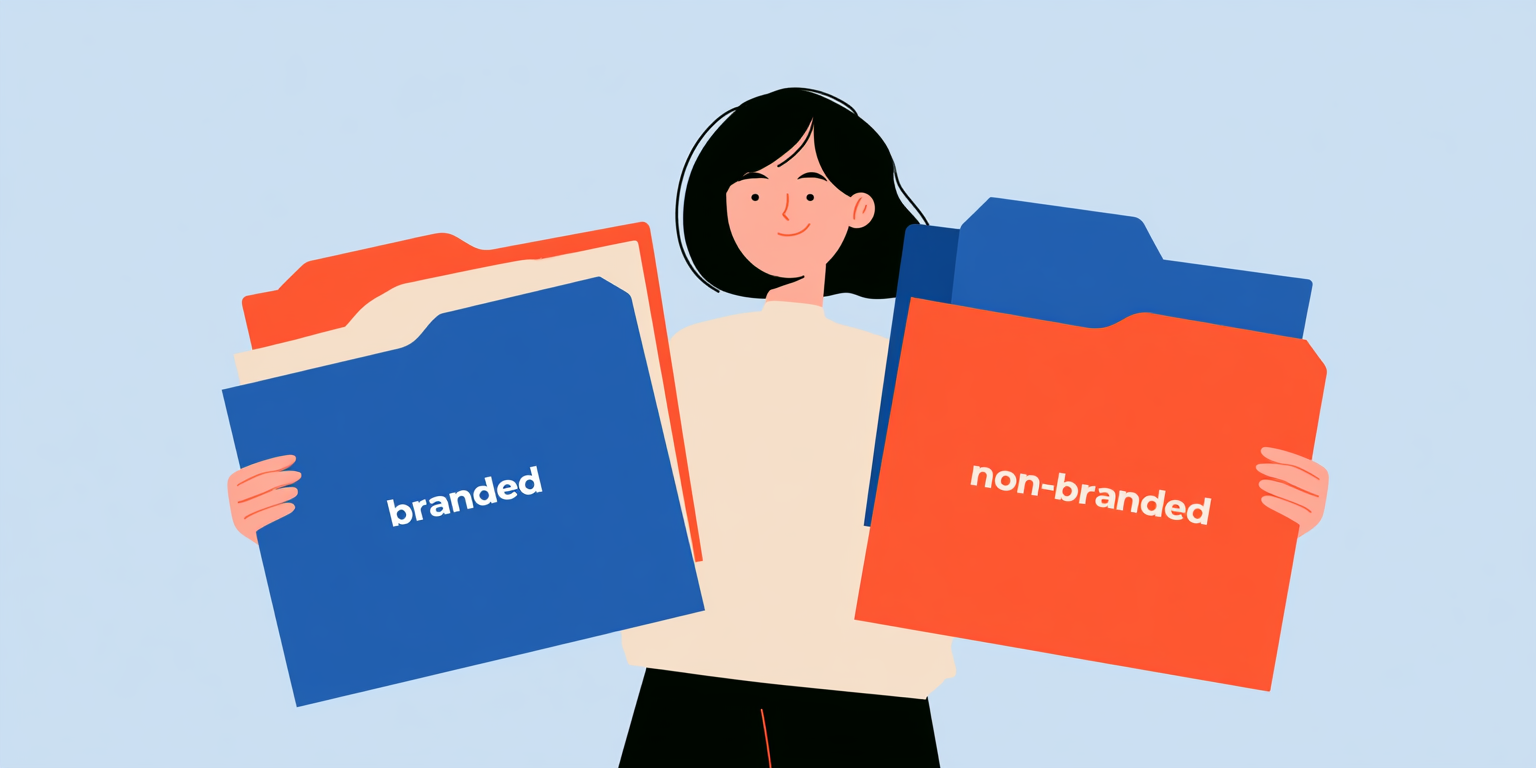
A high ROAS gets you on a high, yes. But sometimes it just means Google took the cheapest route to set a goal: straight through people who already typed your brand name.
There’s a fix to that. Maggie Humphrey laid it out, starting with an uncomfortable idea: your best-performing campaign might be your least useful one.
Mix brand and non-brand in one campaign and branded searches eat the budget, ROAS inflates, and non-brand products never get seen. Not good.
Automation sees brand converting, funds it more, reports great efficiency, repeats. That’s just a feedback loop with a nice dashboard.
Step one: put brand in its own box. Cut branded campaigns to a small slice of total spend. They still matter; they just don’t get to absorb growth money.
Step two: segment products like you mean it. Standard Shopping with heavy product segmentation lets you bid by priority instead of asking Google what matters.
Left alone, the algorithm funds whatever already works and starves strategic or low-volume products.
Step three: give Performance Max one job. New Customer Acquisition, while Standard Shopping keeps product-level control.
The results look like a loss until you zoom out, straight from Maggie’s experience.
Paid revenue dropped 25% year over year, roughly $2.3M. Organic revenue rose 99%. Combined paid and organic grew 15%. New customer acquisition climbed 20%.
What happened? Branded demand didn’t disappear. It just stopped costing money.
Brand spend still deserves boundaries. If your brand name contains a product term, competitors can match those queries easily.
Standard Shopping can’t target brand queries directly, so the workaround is a brand-only product set, non-brand keywords as exact-match negatives, and an aggressive tROAS target.
Judging paid media in a vacuum is how you end up defending a vanity matric.
When everyone’s using the same marketing playbook, psychology gives you an edge

Most marketers pull ideas from the same formulas, frameworks, and templates.
There’s no harm in using what works—but it also means your offer risks blending in.
But marketers who understand how people actually make decisions know how to package powerful offers and stand out—even when they’re selling similar things as their competitors.
Want to receive one psychological principle each week so you sharpen your instincts for positioning and persuasion?
How to make your reviews trustworthy?
In an era of “fake news” and bot-generated praise, a five-star rating isn’t enough anymore.
Shoppers want a tangible proof that a human actually bought and liked the product:
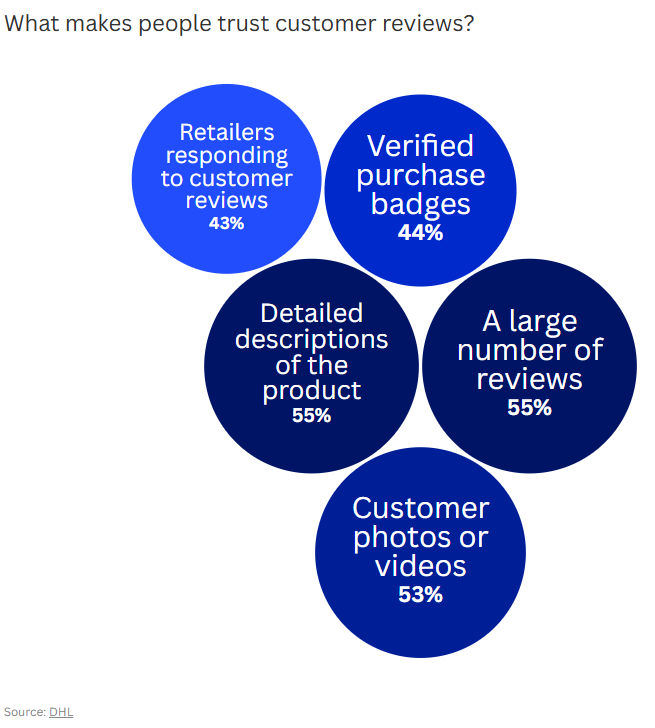
Transparency and consistency are top. Both detailed product descriptions and a large number of reviews tied for the top spot at 55% each. No surprises, eh?
However, the new era calls for visual proof, too, with 53% of shoppers trust reviews more when they include customer photos or videos.
Finally, verification matters, with 44% look for verified purchase badges, while 43% appreciate retailers responding to reviews.
The crux: Fifty generic five-star reviews aren’t as powerful as thorough feedback and photos and a verified buyer tag.
What you can do: Incentivize visual reviews. Offer a small discount or loyalty points for customers who upload a picture of the product in use with their review.
AI MARKETING: This daily newsletter condenses the latest and greatest AI developments into a 5-minute read. They read the noise, pull out the signal, and explain what actually matters for work, strategy, and the tools your team is already using. Trusted by 700k+ readers. Subscribe right here.*
META ADS: Two tests spotted in instant forms. Sequenced Events lets you optimize for a higher-value action after the lead, crediting your ad only if both fire in order, while preferred lead answers teach the algorithm which multiple-choice replies you actually want. No documentation yet, so watch your accounts.
GOOGLE ADS: Trust is now inventory. Rolling out in August and phasing through 2028, unqualified accounts get throttled impressions rather than disapprovals, judged on account maturity, verification and policy history. Complete your advertiser verification, ditch generic ad copy, and pin your domain to headline one. Limited accounts can appeal.
MICROSOFT ADS: Bulk edit and appeal for disapproved text and image assets just landed in all accounts. The catch? Appeals must cover every disapproved asset in an ad, and images need a fresh upload rather than an edit. Policy exceptions cap at 5,000 requests.
META: A New Mexico court ordered $567 million for failing to protect teens, on top of $375 million in jury damages from March, making it $942 million total. The attached rules, including hidden like counts and U18 profiles private by default, apply in New Mexico only but could have a ripple effect.
*This is a sponsored post.
Interested in advertising in one of our newsletters?
Connect with over 100,000 of the world’s best marketers who read a newsletter by Stacked Marketer.