
Happy Monday.
You won’t believe this awesome website we came across. That’s a hand-drawn pixel space station stuffed with thousands of pop culture references! All built by one guy over eight years.
We opened it for a quick look and saw Luffy from One Piece, Tony Montana, and the “OBEY” sign from They Live. And yes, that tab is still open. We’re still in awe.
But try to not visit the “floor” before you read today’s newsletter. You may stay there for a while.
European merchants just lost their free shelf space in search
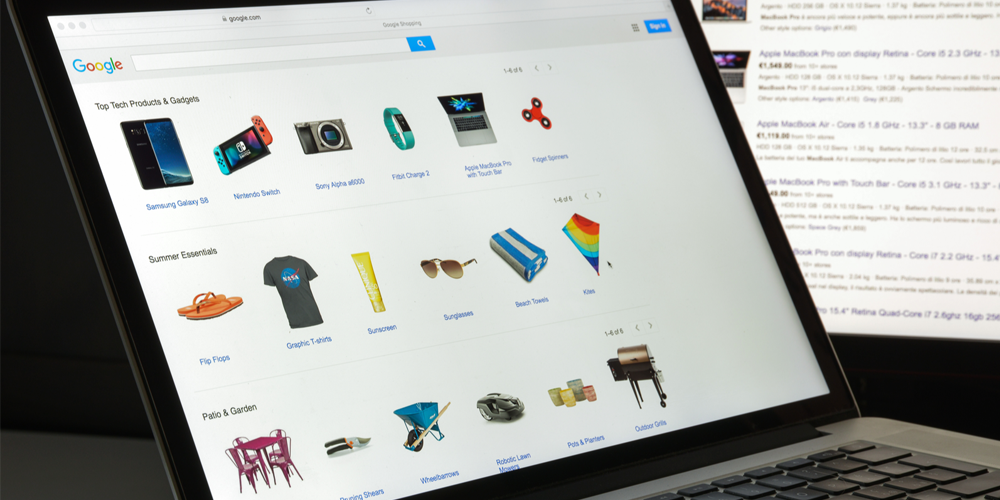
Brussels wanted more competition, but now we got a results page we barely recognize.
The organic shopping shelf just got repossessed. Google dropped free product listings across the EEA, with “popular products” carousels falling 90-100% in Germany, France, Belgium, Sweden and the Netherlands in two days.
That space now belongs to comparison shopping services. Sell into the EEA, and you either sign up with one of those partners or pay for placement.
So we got another one of those intent vs reality mismatches with regulation. Can’t say we’re thrilled.
Local got split down the middle too. Google added local business queries to two new units.
First, an aggregator unit for approved directories, plus a supplier unit for the businesses themselves.
Businesses send Google nothing extra to appear. The catch? That supplier unit only shows once an aggregator triggers.
Discover is auditioning a middleman. The new “Dive deeper” test sends readers to an AI topic overview with community reaction instead of your article.
So, yeah, say goodbye to another click surface if Google likes what it sees during the test period.
And a quick housekeeping note for merchants: Google now requires adult-oriented products to be labelled in Merchant Center feeds or with hasAdultConsideration markup. Organic rankings are unaffected.
Not the kind of start of the week we hope for from Google.
The robot is allowed to shop, just not to sell
Four studies landed this week, and together they read like a Black Mirror episode with a media plan attached.
Shoppers are letting AI pick the products, no problem. But then they turn around and punish the brands that let it write the copy.
Sacramento got there first. Newsom signed SB 1050, forcing ads to disclose when a prominent performer is AI-generated.
Narration, demonstrations, and on-camera reactions are all covered. Ad industry groups lobbied for a veto and lost.
The Crew’s take: Expect this to become standard across advertising. This was just another small step.
But that could hurt your sales. New Net Conversion research finds shoppers welcome AI as a buying assistant but punish creatives that look machine-made.
We’re not sure if this is truly just because ads look machine-made, or they are just poorly made. One big issue we’ve seen is AI creatives trying to hide that they are AI… Instead of leaning into it and focusing on the storytelling.
Creators occupy the awkward middle. IAB found 56% prefer AI recommendations that cite creators, yet only 29% of Gen Z and millennials say those citations push them to buy.
Again, great for discovery. Weak at the close when it comes to AI performance.
Follow the money, and it gets bleaker. Ecommerce brands expect to spend 63 cents of every new marketing dollar on AI and cashback apps.
Just 4% think creators will be the primary shopping gateway in 2027. Cashback apps top the holiday budget list at 57%.
But is that a sign creators are less influential or that shoppers are more careful with their budget?
Don’t let missing signals drain your BFCM budget
Black Friday/Cyber Monday are when retail brands place bets—and when every click, view, add-to-cart, checkout, and purchase matters.
With paid media budgets surging, particularly across Meta, missing or inconsistent signals can prevent ad platforms from accurately optimizing campaigns, measuring performance, and finding customers.
Elevar’s BFCM Readiness Playbook helps marketers prepare their data foundation before traffic arrives.
The guide explains how server-side tracking captures customer events at the source and sends them between your website and the platforms that power advertising, analytics, and retention.
Inside, you’ll find:
- A readiness diagnostic
- Guidance for identifying tracking and delayed insights
- Strategies for using real-time data to shift spend while campaigns are live
And more.
You’ll learn how to turn BFCM results into smarter, profitable decisions throughout the year.
Before increasing your budget, make sure your signals are working as hard as your campaigns.
Download the playbook and discover how to maximize every advertising dollar this BFCM.
Google Ads has just two attribution models, here’s what you should know about them
Twenty years in, Google Ads attribution is still not solved.
Conversion tracking has existed for two decades. Which part of your marketing caused the sale is still up for debate.
Michelle Morgan published an explainer and… The shortlist is shorter than most of us remember.
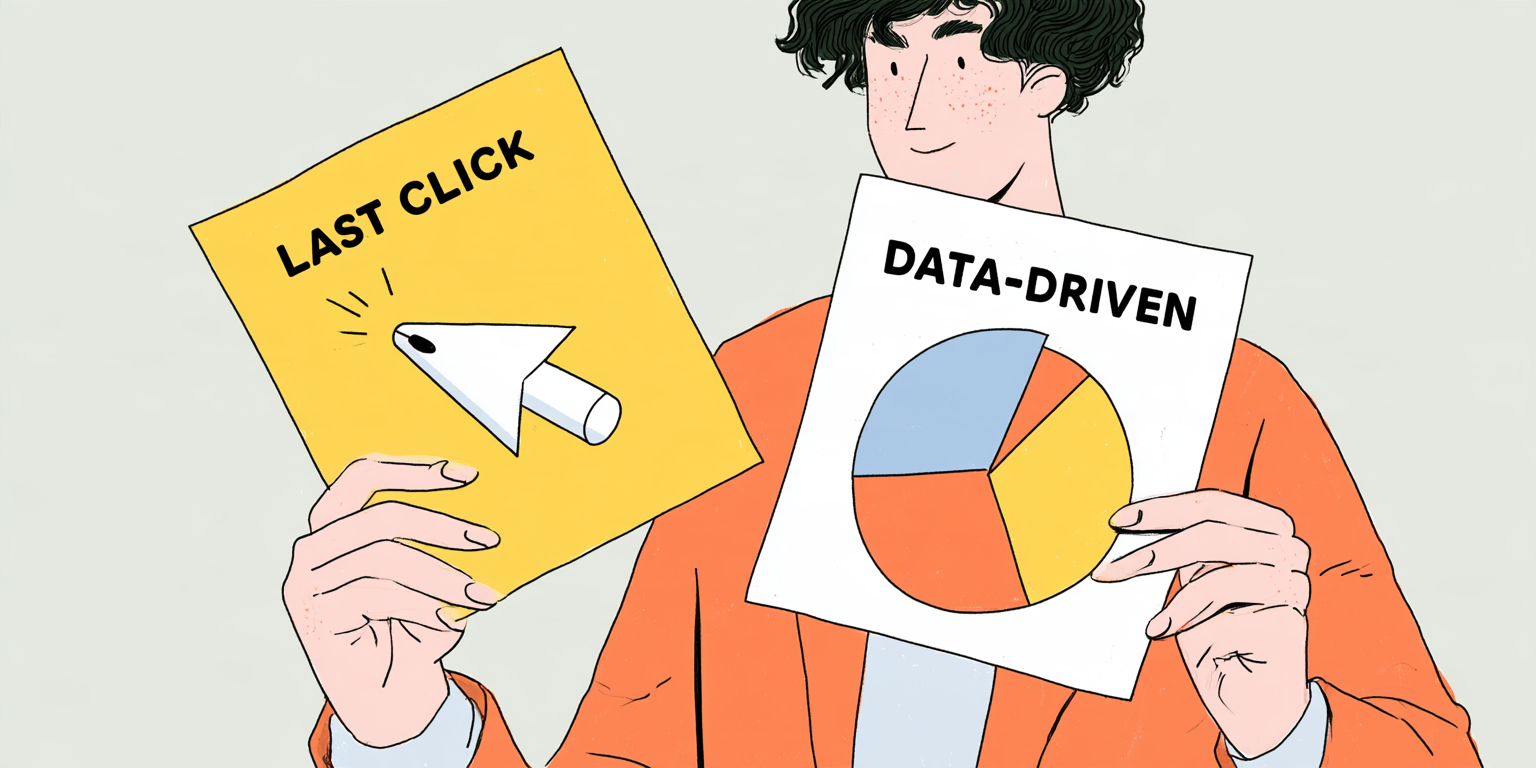
Five models became two in 2023. First click, linear, time decay, and position-based were all retired. Last click and data-driven are what’s left.
We know many marketers are not fans of this. But on the bright side, you get fewer arguments in the account review meeting about which attribution model to use.
Last click hands everything to the final touch, and that’s an issue. In Morgan’s example, a YouTube view, a non-brand search, a second video, and a display banner all get zero.
The brand search that closed the deal takes 100% of the credit.
That works for short, direct sales cycles. On longer cycles, it starves the upper funnel that feeds those brand searches in the first place.
Data-driven splits credit per user, and it’s more of a go-to. The retired models were rigid.
Pick one and every conversion path got carved up the same way, regardless of how the buyer actually behaved.
Data-driven uses AI across Search, YouTube, and Display to weigh interactions by influence.
Two users on identical paths can end up with completely different credit splits. It has been the default for new conversion actions since late 2021.
Which means you will awkwardly see 0.25 conversions. Partial credit means fractional numbers in your reports.
They add up across campaigns, and they show which touchpoints carry weight rather than which one happened to come last.
The trade-off? Data-driven is hard to audit from the outside, and it only reports on Google-owned channels.
The Crew’s take: Last click had the same channel blind spot and just looked more transparent. Most accounts should run data-driven regardless.
For a full breakdown, with the pros and cons tables, give the full article a read.
How to prime your customers’ minds to see your product as the obvious choice

You don’t need pressure tactics to convert customers.
Most people rely on mental shortcuts to make decisions. Like defaulting to the “most popular” option without even reading the fine print.
When you understand how people make decisions, you can position your products and offers more naturally.
… And make your messaging more relevant, sticky, and persuasive.
Psychology of Marketing shows you how to do this with one powerful insight each week, plus real-world ways to apply it.
AI does the heavy lifting, but Google still closes the deal
AI might be doing the preliminary shopping research, but don’t write Google obituaries yet.
Buyers still want a second opinion before pulling out their credit cards.
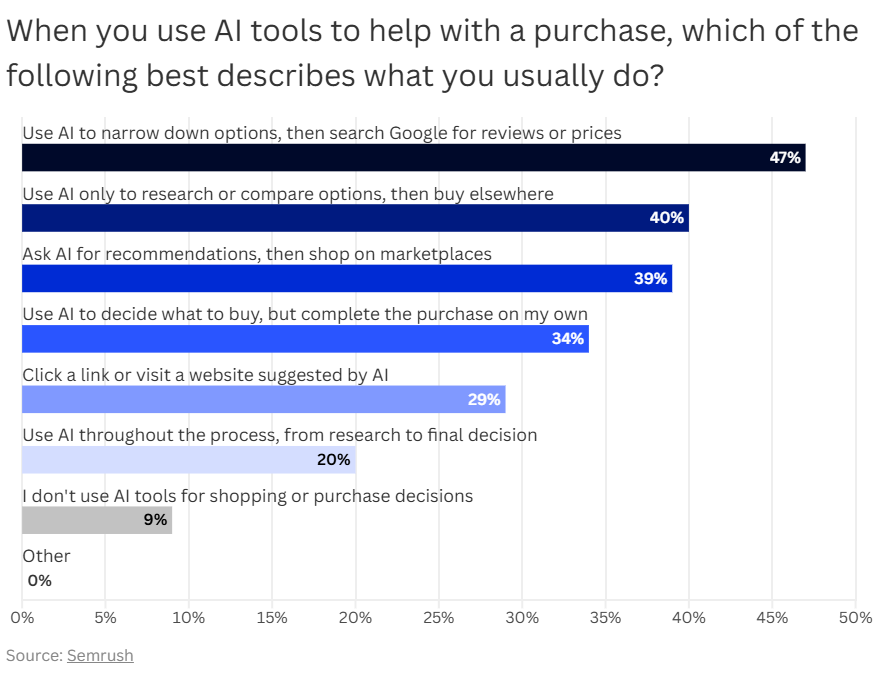
Semrush data reveals AI is mostly a pitstop on the buyer journey:
- 47% use AI to narrow down options, then search Google for reviews or prices.
- 40% compare via AI then buy elsewhere, while 39% ask AI for picks before shopping on marketplaces.
- Only 29% click AI-suggested links, and just 20% use AI end-to-end.
AI acts as a search shortcut, not a checkout counter.
Shoppers use LLMs to filter choices, but still rely on Google and marketplaces for final validation. AI builds the shortlist; traditional search closes it.
Keep your Google SEO and marketplace listings optimized. Winning the AI recommendation means nothing if you lose prospects during their mandatory Google review check.
AI MARKETING: This daily newsletter condenses the latest and greatest AI developments into a 5-minute read. They read the noise, pull out the signal, and explain what actually matters for work, strategy, and the tools your team is already using. Trusted by 700k+ readers. Subscribe right here.*
INFLUENCER MARKETING: Newsom just signed AB 1130, so influencers who take money for political posts and stay quiet about it now face fines up to $5,000 per violation, plus a possible misdemeanor referral. Disclosure was already required in the state but the penalties are new.
BING: Microsoft is testing favicons in Shopping ad results, swapping the plain site name for your actual logo next to it. Google rolled out the same thing recently. Small pixel change, real trust signal because shoppers can spot a brand they know before they ever click.
FACEBOOK: Meta is expanding its test that caps non-paying Pages at two link posts per month, nudging you toward a Meta One for Business subscription. Publisher Pages are exempt. Before you panic buy a subscription, remember link posts barely get seen anyway. Only 1.3% of US post views included an outbound link last quarter, down from 9.8% in 2022.
*This is a sponsored post.
Interested in advertising in one of our newsletters?
Connect with over 100,000 of the world’s best marketers who read a newsletter by Stacked Marketer.