More than a third of internet content from 2013 no longer exists

Pew Research Center just published research on how age affects the internet, and the results are wild.

Some stats: Of the web pages that existed between 2013 and 2023, 25% are no longer accessible. And the older the content, the worse it gets: 38% of pages from 2013 are gone.

This is especially prevalent in government sites, news sites, and Wikipedia, all of which contain high rates of broken links.

And of course, social media content—especially old tweets—tend to vanish as time goes on.

Something to keep in mind if you do a lot of research for your content.

You can also use this knowledge to your brand’s advantage:

  • Reviewing and updating content, as well as creating backups can keep your web pages accessible, functional, and relevant.
  • Routinely running audits can help you identify broken links that need fixing… and also reduce 404 errors.
  • On social media, understanding what leads to removal and “future-proofing” your content will help you dodge disappearances.

If you want your content to be around for the foreseeable future, taking the above actions will keep everything smooth and ageless.

Like moisturizer for your website.

Continue Your Journey

AI is rewriting your search results, your ad copy, and your shopping tab

31. August 2026
2 min read

The ten blue links are being pushed down the page like a support act nobody booked. Ask, and you shall receive, unprompted: Google confirmed AI Overviews now expand into AI Mode by default on some queries, loading the “Ask anything” box automatically. Organic results slide way down. Not great for publishers. Nor SEOs. Meanwhile, in…

Google rewires its links, rewrites parasite SEO, and hands you two October deadlines

31. August 2026
1 min read

Google’s had the kind of week that makes your rank tracker sweat and your calendar fill up fast. Anti-scraping era, activated: Google confirmed it’s rolling out google.com/goto passthrough URLs across search results, now near 100% coverage. Those links can’t be decoded, so third-party tools must follow redirects. Expect turbulence in your SERP data. Parasites, evolved:…

Regulatory Focus Theory

31. August 2026
3 min read

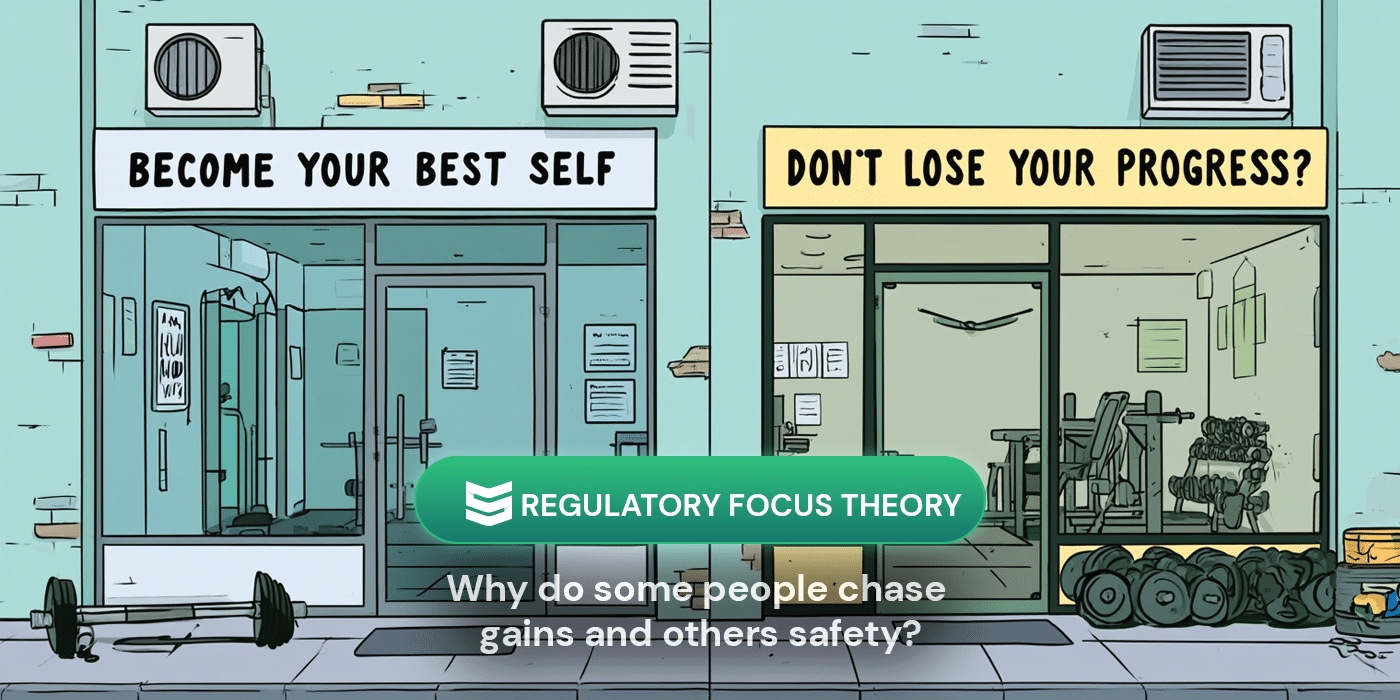
One fitness ad promises you’ll become your best self. Another warns you’ll lose everything you built. The industry is the same. The wiring is opposite. Why? Well, because of Regulatory Focus Theory. Some brains chase gains. Others dodge losses. Marketers who match the message to the motivation get paid. Psychologist Tory Higgins split self-regulation into…